Walk into any busy IV therapy clinic on a Monday morning and you will see a familiar pattern. A couple of endurance athletes who overreached on weekend miles. A new parent who has been living on coffee and leftovers. A senior executive whose stress has outpaced sleep for months. Different stories, same complaint: energy feels blunted, focus comes and goes, and stress is starting to show up in the body. When done thoughtfully and medically supervised, B complex IV therapy can help some of these clients feel steadier, more alert, and better equipped to manage stress. The key is understanding what it can and cannot do, and matching the IV treatment to a person’s physiology and goals.
What B complex really is and why it matters
B complex refers to a group of water‑soluble vitamins with shared roles in metabolism and nervous system function. Most IV infusion therapy menus combine several of these vitamins in a single bag, often with saline for hydration and sometimes with additional nutrients. The most common components include thiamine iv therapy near me (B1), riboflavin (B2), niacin or its amide form (B3), pantothenic acid (B5), pyridoxine (B6), biotin (B7), folate in a bioavailable form such as methylfolate (B9), and cobalamin, usually methylcobalamin or hydroxocobalamin (B12).
Each of these vitamins acts as a cofactor in energy pathways. Thiamine and riboflavin sit upstream in carbohydrate oxidation and the electron transport chain. Niacin and riboflavin form the backbone of NAD and FAD, the cell’s electron carriers. Pantothenic acid is part of coenzyme A, which shuttles carbon into the Krebs cycle. B6, folate, and B12 help move carbon and nitrogen around for neurotransmitter synthesis and methylation. When you hear clinicians talk about energy IV therapy or an IV energy boost, they are often referring to this web of reactions that convert the food we eat into ATP while supporting neurochemical balance.
People usually get these vitamins from diet. Whole grains, legumes, eggs, fish, meats, nuts, and leafy greens cover the bases for most. But absorption can be a weak link. Conditions such as celiac disease, inflammatory bowel disease, and pernicious anemia, as well as medications like metformin and certain acid‑suppressing drugs, can chip away at B vitamin status over time. Heavy alcohol intake increases the need for thiamine and can lower many other Bs. Add chronic stress, which pushes metabolism and often disrupts appetite and sleep, and you can see how a marginal deficiency might take root even with a decent diet.
Why an IV instead of a pill
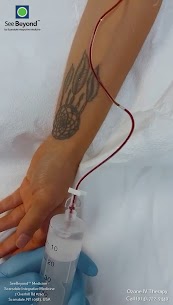
In a perfect scenario, oral nutrition meets most needs. Food first remains sound advice, and oral supplements can fill gaps. Intravenous therapy enters the picture when speed of effect, absorption concerns, or clinical intensity call for it. IV drip therapy bypasses the gut entirely, delivering vitamins and fluids directly to the bloodstream at predictable doses. That can be valuable if you have malabsorption, if you are severely depleted, or if you need a rapid intervention after acute stressors such as illness, intense travel, or a string of poor nights.
Clinically, I think of IV vitamin therapy as a tool, not a lifestyle. It can be part of a broader wellness IV therapy plan that includes sleep hygiene, nutrition, and exercise, but it should not replace them. Energy gained from an IV drip fades if the underlying habits do not change. For clients with fatigue who want fast relief so they can reestablish routines, a short course of IV treatment can be the bridge.
Where B complex fits in popular IV formulas
The most recognizable blend that features B vitamins is the Myers cocktail IV, a mix that typically includes magnesium, calcium, vitamin C, and a B complex. Many clinics offer personalized IV therapy, so the exact concentration depends on the provider’s formulation and your medical history. B complex is also a staple in other wellness drip options: hangover IV therapy, migraine IV therapy, athletic recovery IV therapy, and stress relief IV therapy. In these settings, the Bs pair with magnesium IV therapy for muscle relaxation, vitamin C IV therapy for antioxidant support, and sometimes glutathione IV therapy for detox support.
Clients ask whether they should choose a standard vitamin drip therapy or a custom IV therapy. My rule of thumb: if you are generally healthy and looking for a reset after travel, a well‑composed energy drip or recovery drip may suffice. If you have a medical condition, are on multiple medications, or have specific lab findings such as low B12, it is wiser to use integrative IV therapy that is tailored, with lab‑informed dosing and follow‑up.
Energy metabolism, explained without the jargon
To understand why a B complex IV can affect energy, picture your mitochondria as factories. Food provides the raw materials, but the assembly line still needs tools and supervisors. B vitamins are both. Thiamine and riboflavin keep the conveyor belts moving. Niacin and riboflavin shuttle electrons like forklifts moving pallets across the floor. Pantothenic acid opens and closes the gate, letting carbon units in at the right time. B6, folate, and B12 make sure the factory can keep its workers balanced by synthesizing dopamine, serotonin, and GABA.
When one tool goes missing, the plant does not shut down immediately, but bottlenecks appear. The person feels it as afternoon crashes, slower recovery after workouts, or brain fog. A thoughtfully dosed IV vitamin infusion can restock several tools at once with high bioavailability. People often describe the effect as “clean energy” a few hours after a session, not a jolt like caffeine but an easing of effort.
Stress physiology and the B complex
Chronic stress is a metabolic event, not just a mood state. Cortisol rises, sleep fragments, appetite wobbles, and inflammation creeps up. B vitamins are used more quickly under stress because neurotransmitter synthesis and energy turnover accelerate. If diet quality drops, the gap widens. In practice, I see B complex IV therapy help stressed clients most when they also commit to specific changes: a consistent bedtime, protein at breakfast, and short walks during the workday. The IV treatment provides momentum, but the habits keep the gains.
Anecdotally, clients who combine a B complex infusion with magnesium IV therapy report fewer tension headaches and less jaw clenching. Some report improved sleep that night, likely a mix of rehydration from the saline IV drip and the neuromuscular effects of magnesium and B6. These responses vary, and not everyone notices a dramatic shift, but when they do, it tends to appear within 12 to 24 hours and lasts a couple of days to a week.
Who benefits most, and who should be cautious
If your diet is balanced and your energy is steady, you may not notice much from a single IV vitamin therapy session. The people who report the strongest benefits usually fall into one of these scenarios: endurance training phases with high volume, recent illness or surgery, significant life stress with poor sleep, heavy travel across time zones, or a known malabsorption issue. In these cases, IV hydration therapy combined with B complex, vitamin C, and magnesium can help restore equilibrium faster than oral supplements alone.
Caution belongs to those with certain medical conditions. If you have kidney disease, heart failure, or uncontrolled hypertension, the fluid load from an IV infusion therapy session may not be appropriate. If you take medications like isoniazid or methotrexate, B vitamin metabolism can be altered and should be managed by your prescribing clinician. People with a history of niacin flushing may need modified dosing, and those with methylation issues sometimes tolerate methylated forms of folate and B12 better than synthetic forms. Always discuss therapy with a qualified provider, and make sure an IV therapy clinic screens your medical history carefully.
What a session looks like when done well
A competent clinic treats IV treatment like a medical procedure. You arrive to a quick but thorough intake: medical history, allergies, medications, and vital signs. Hydration IV therapy often starts with a normal saline base, especially if dehydration or hangover symptoms are in play. The B complex is added to the bag or pushed slowly into the line, depending on the formulation. If migraine IV treatment is the focus, magnesium and sometimes antiemetics are included, with dimmed lights and a quiet room to reduce sensory input.
Infusion time varies. A straightforward energy drip might take 30 to 45 minutes. A more comprehensive wellness drip or immune drip designed as immune support IV therapy might run closer to one hour, especially when vitamin C is delivered at higher doses. Mobile IV therapy and concierge IV therapy have made this more accessible at home or in the office, but the same standards apply. Sterile technique, proper cannulation, and post‑infusion monitoring are non‑negotiable.
Clients often ask about frequency. For acute goals like recovery from a tough event or a hangover IV drip after a wedding weekend, one session may be plenty. For more sustained support during a high‑stress quarter at work, I have used a schedule of weekly IV sessions for two to four weeks, then a reevaluation. It is wise to pair IV sessions with short‑term oral follow‑through, such as a high‑quality B complex and magnesium glycinate at night, plus a dietary plan that rebuilds nutrient stores.
Safety, side effects, and realistic expectations
Done by trained staff with proper screening, IV therapy safety is high, but not absolute. Vein irritation, bruising, and infiltration are the most common issues. Occasional lightheadedness occurs, particularly if someone arrives fasted or anxious. Infection risk at the insertion site is low when sterile technique is used, but not zero. Niacin can cause flushing and warmth, more so at higher doses. Rapid infusion of magnesium can create a transient heavy‑limb feeling. B12 injections and infusions can turn urine a bright, almost neon yellow for a day, which tends to alarm first‑timers but is harmless.
Cost varies by region and formulation. A simple vitamin drip might cost in the low hundreds, with more comprehensive IV therapy packages running higher when glutathione IV drip or high dose vitamin C IV is included. Insurance rarely covers wellness IV therapy unless there is a documented deficiency or medical necessity. When evaluating iv therapy cost, factor in the opportunity cost as well: time, travel, and the risk that the benefit for you may be mild or short‑lived.
Expectations matter. IV nutrient therapy is not a cure for chronic fatigue or anxiety disorders, although it can be a supportive tool. If your fatigue stems from iron deficiency, thyroid dysfunction, sleep apnea, or depression, B complex IV therapy will not solve the root problem. Good clinics will refer you for evaluation when red flags appear, and they will coordinate care with your primary physician.
B vitamins, glucose control, and appetite signals
Energy and stress sit alongside appetite and blood sugar in a tight loop. Several B vitamins influence enzymes that regulate glucose handling. Thiamine is crucial for pyruvate dehydrogenase, which connects glycolysis to the Krebs cycle. Riboflavin and niacin drive oxidative phosphorylation. When these steps falter, people often chase energy with sugary snacks or extra espresso, both of which can backfire by spiking and crashing glucose. After an IV vitamin infusion that restores cofactor availability, it is common to see more stable energy across the day, provided meals carry adequate protein and fiber.
I encourage clients to treat the 48 hours after an iv vitamin infusion as a reset window. Prioritize a savory breakfast, hydrate with electrolytes, and schedule a midafternoon walk. These small actions help lock in the benefits of the infusion and reduce the temptation to overcorrect with stimulants or grazing. Over time, this approach does more for metabolism than any single session of metabolism IV therapy.
How B complex interacts with other popular IV add‑ons
Glutathione IV therapy is often paired with B complex in detox IV therapy packages. The logic is straightforward: glutathione participates in Phase II liver detoxification, and several B vitamins support methylation and transsulfuration pathways that recycle glutathione. If your goal is skin glow IV therapy or beauty IV therapy, the combination sometimes yields a fresher complexion by reducing oxidative stress and supporting collagen cross‑linking indirectly. The effect is subtle, not cosmetic‑procedure dramatic.
Zinc IV therapy appears on many menus for immune boost IV therapy. Zinc and vitamin C have better evidence for shortening the duration of colds when taken early and at sufficient doses, typically orally. As an IV, zinc requires careful dosing due to irritation risk and potential copper imbalance if used repeatedly. I reserve it for targeted cases and prefer to rely on diet plus oral zinc most of the year.
Magnesium IV therapy is a workhorse in both migraine IV treatment and stress relief IV therapy. It relaxes smooth muscle, can reduce neuromuscular excitability, and may modulate NMDA receptor activity. Combined with B complex, it often reduces the “wired but tired” feeling. People with arrhythmias or kidney impairment need individualized dosing and monitoring.
Special cases: hangovers, migraines, and athletes
Hangover IV therapy draws a crowd on weekend mornings for good reason. Alcohol dehydrates and depletes key nutrients, especially thiamine. A saline IV drip with electrolytes, B complex, magnesium, and anti‑nausea medication can shorten the worst of the symptoms. The relief is real, but it should not mask a pattern of excessive drinking. In clients with heavy alcohol use, I lean toward higher thiamine, sometimes as separate intramuscular shots over several days, to lower the risk of deficiency.
Migraine IV therapy deserves nuance. Not every headache responds to the same infusion. For true migraines, a combination of magnesium, B complex, hydration, and sometimes antiemetics or NSAIDs administered under supervision can help. If attacks are frequent, a better long‑term plan involves sleep regularity, trigger identification, and preventive medications when indicated. Using IVs as rescue only works if you also maintain prevention.
Athletic recovery IV therapy can be useful during peak training blocks or stage races. An iv recovery therapy bag with B complex, magnesium, vitamin C, and modest amino acids helps replenish what sweat, effort, and travel strains. It is not a replacement for carbohydrates, protein, and sleep. Coaches sometimes overuse IV fluids in endurance sports, which can contribute to electrolyte imbalances. When hydration is needed, iv therapy solutions throughout NY a balanced electrolyte plan and measured iv fluids therapy are safer than reflexive large volumes.
How to vet an IV therapy clinic
Finding a quality provider matters more than package names or glossy marketing. I look for medical oversight with clear protocols, experienced nurses, and a culture of conservative dosing. Staff should be comfortable declining a session if your vitals are off or your history suggests risk. They should explain iv therapy side effects plainly, use sterile technique without shortcuts, and document every ingredient and dose in your chart. If they offer at home IV therapy, ask about how they maintain cold chain for certain vitamins, and how they handle emergencies on site.
Transparency on iv therapy cost is another marker of professionalism. Bundles and iv therapy packages are fine if they are flexible and not a hard sell. If a clinic pushes high dose vitamin C IV or frequent glutathione IV drip without a clear indication, ask why. A good facility will also discuss alternatives, including oral supplementation, dietary strategies, and sleep interventions.
Building a simple plan around your infusion
B complex IV therapy works best as part of a compact plan you can actually follow. After the infusion, many people feel motivated. Use that window wisely. Start with three anchors: a protein‑forward breakfast, a 10‑minute outdoor walk after lunch, and a screen‑free wind‑down 45 minutes before bed. Add a magnesium supplement at night if your clinician agrees. Keep caffeine before noon, and throttle back alcohol for a week. If you are addressing fatigue IV therapy goals, track your energy in a simple journal for seven days. Note when you feel clear, when you dip, and what you ate and did around those times. This produces more insight than any lab alone.
A brief, pragmatic comparison of common IV goals
- Energy IV therapy: Often a B complex foundation with magnesium and vitamin C. Good for short‑term energy and focus support when stress and sleep debt pile up. Immune drip therapy: Usually vitamin C, zinc, and B complex, sometimes glutathione. Best early in an illness or during high exposure periods, but not a substitute for vaccines or rest. Detox IV therapy: Typically glutathione plus Bs and vitamin C. Helpful after anesthesia, intense travel, or smoke exposure, but should be paired with hydration, fiber, and sweating through light exercise. Migraine IV treatment: Magnesium and B complex with hydration, sometimes medications. Works best as part of a prevention strategy, not stand‑alone rescue every time. Hangover IV drip: Saline, electrolytes, B complex, magnesium, anti‑nausea medication. Provides fast relief, but should prompt an honest look at drinking habits.
When oral therapy beats an IV
Not every use case justifies an infusion. For routine maintenance, oral B complex taken with food covers needs for most people at a fraction of the price. If your main issue is low B12 from a dietary change, intramuscular B12 or oral methylcobalamin can replete stores over weeks without an IV. If you are trying to improve hair and skin, consistent nutrition, sleep, and topical care outpace beauty IV therapy claims. I tell clients to reserve IV vitamin infusion for moments when they need speed, have absorption issues, or want to jump‑start a reset with clear near‑term goals.
The bottom line for energy and stress
B complex IV therapy sits at the intersection of energy metabolism and stress physiology. It provides the biochemical tools your cells need to produce ATP and the raw materials for neurotransmitters that keep mood and focus steady. When you combine an iv vitamin infusion with hydration, targeted minerals, and modest lifestyle changes, you can feel better quickly, often within a day. The effect is real, but it is also conditional. It relies on picking the right candidates, dosing sensibly, and using it as a catalyst rather than a crutch.
If you decide to try IV wellness therapy, choose a clinic that treats it like medicine, not magic. Expect clear explanations, thoughtful screening, and a plan that extends beyond the chair. Done that way, an occasional vitamin drip can help you navigate busy seasons with more energy and less strain, while you invest in the daily habits that ultimately do the heavy lifting for long‑term health.